

A disc herniation happens when the soft inner core of a spinal disc pushes through a tear in the outer wall, pressing on nearby nerves and causing pain, numbness, or weakness. Can a disc herniation heal without surgery? For the majority of patients, yes. Research consistently shows that 80 to 90 percent of disc herniations resolve with conservative treatment, and many herniated discs actually shrink or reabsorb on their own when given the right conditions. Chiropractic care, spinal decompression, and targeted rehabilitation speed up this natural healing process.
How Does a Disc Herniation Heal Without Surgery?
Your body has a built-in repair mechanism for herniated discs. When disc material pushes outside its normal boundary, the immune system recognizes it as foreign tissue and sends specialized cells called macrophages to break it down and absorb it. This process is called phagocytosis, and it is well-documented in medical literature.
A landmark study published in Clinical Orthopaedics and Related Research used serial MRI scans to track disc herniations over time. The researchers found that larger herniations and full extrusions showed the highest rates of reabsorption, with some herniations shrinking by 70% or more within 12 months (Clin Orthop Relat Res, 2015). This finding is counterintuitive. Most patients assume a bigger herniation means a worse outcome, but the opposite is often true when it comes to natural healing.
The key factors that influence whether a disc can heal without surgery include:
- Type of herniation: Extrusions (where disc material breaks through the outer wall completely) reabsorb faster than contained protrusions because the immune system has better access to the disc material.
- Location: Herniations in the lumbar spine (lower back) and cervical spine (neck) both respond well to conservative care when nerve damage is not severe.
- Spinal alignment: A misaligned spine places uneven pressure on the disc, making it harder for the tear to close. Corrective chiropractic care addresses this directly.
- Inflammation management: Controlling the initial inflammatory response reduces swelling around the nerve and allows the disc space to begin healing.
What Does Chiropractic Care Do for a Disc Herniation?
Chiropractic treatment for disc herniations works on multiple levels. It corrects the spinal alignment problems that caused or worsened the herniation, reduces pressure on the damaged disc, and creates an environment where the disc can repair itself.
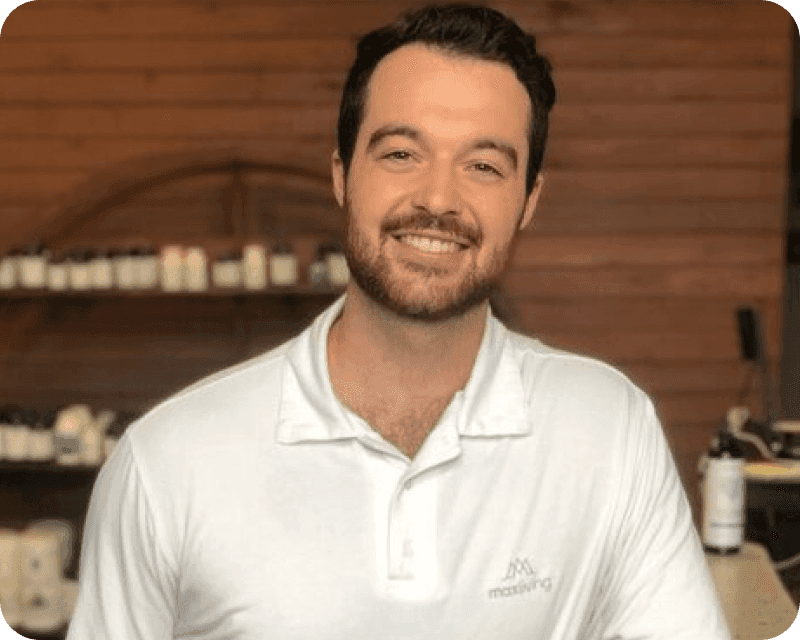
"Most people think a herniated disc means they need surgery," says Dr. Austin Elkin, Doctor of Chiropractic at City of Palms Chiropractic in Fort Myers. "The research tells a different story. When we take pressure off the disc by fixing the alignment and use decompression to pull that disc material back in, the body does the rest. I have seen herniations that looked terrible on MRI resolve completely with the right conservative care."
A structured treatment plan for disc herniation typically includes:
- Specific spinal adjustments: Gentle corrections that restore proper alignment and take uneven pressure off the herniated disc. The techniques used are modified to avoid aggravating the herniation.
- Spinal decompression therapy: Controlled traction that creates negative intradiscal pressure, drawing the herniated material back toward the center and pulling nutrients into the disc for healing.
- Flexion-distraction technique: A gentle, rhythmic pumping motion on a specialized table that opens the disc space and reduces nerve pressure without any twisting or forceful thrusting.
- Core stabilization and rehabilitation: Exercises that strengthen the muscles supporting the spine and prevent reinjury. This phase is critical for long-term success.
- Activity modification guidance: Specific instructions on what movements to avoid and how to sit, sleep, and lift during the healing period.
What Does the Research Say About Conservative Treatment?
The evidence supporting non-surgical treatment for disc herniations is strong and growing. Here are the key findings that matter:
A study in the journal Spine followed 283 patients with confirmed lumbar disc herniations who received conservative treatment. After two years, 83% reported good to excellent outcomes without surgery (Spine, 2005). Only 17% went on to have surgical intervention.
A systematic review published in the Journal of Manipulative and Physiological Therapeutics evaluated multiple studies on chiropractic management of lumbar disc herniation. The review concluded that spinal manipulation is a viable treatment option that produces clinically significant improvements in pain and function for most patients (JMPT, 2014).
Research on spinal decompression adds another layer. A study in BMC Musculoskeletal Disorders found that patients with disc herniations who received mechanical traction combined with exercise showed greater improvements in pain, disability, and straight-leg raise testing compared to exercise alone (BMC Musculoskelet Disord, 2019).
The practical takeaway: conservative care works for the clear majority of disc herniations. Surgery should be reserved for cases with progressive neurological deficits or failure to respond to a proper course of conservative treatment.
How Long Does It Take for a Disc Herniation to Heal?
Healing timelines vary based on the size and type of herniation, how long symptoms have been present, and how consistently the patient follows the treatment plan. Here is a general framework:
- Weeks 1 to 4: Pain levels start to decrease. Inflammation settles. Nerve symptoms (numbness, tingling, radiating pain) begin to fade as pressure on the nerve root reduces.
- Weeks 5 to 12: Most patients experience significant functional improvement. They can sit longer, walk further, and return to more daily activities. MRI studies show disc material beginning to retract during this period.
- Months 3 to 6: Continued disc healing and reabsorption. Stabilization exercises become the focus. Many patients return to full activity during this phase.
- Months 6 to 12: Follow-up imaging often shows measurable reduction in herniation size. Some herniations resolve completely. Maintenance care prevents recurrence.
Patience matters. Disc tissue heals slowly because it has limited blood supply. Pushing too hard too fast is one of the most common reasons people re-herniate the same disc.
When Does a Disc Herniation Actually Need Surgery?
Surgery is the right choice in a small percentage of cases. The clear indications include:
- Cauda equina syndrome: Loss of bladder or bowel control combined with saddle numbness (numbness in the groin and inner thighs). This is a medical emergency requiring surgery within hours.
- Progressive motor weakness: If a muscle group (foot, ankle, quadriceps) is getting weaker over time despite treatment, the nerve may be sustaining permanent damage.
- Failure of conservative care: If six to twelve weeks of consistent, appropriate conservative treatment produces no meaningful improvement, surgical consultation is warranted.
- Severe, unmanageable pain: In rare cases, the pain is so extreme that the patient cannot function, sleep, or work despite trying conservative measures.
Outside of these situations, the evidence favors trying conservative care first. Even patients who eventually choose surgery tend to have better outcomes when they start with conservative treatment, because the rehabilitation process after surgery is essentially the same as the exercise and stabilization work done in chiropractic care.
What Can You Do Right Now to Help Your Disc Heal?
While you are waiting to start treatment or between visits, these practical steps support the healing process:
- Avoid prolonged sitting: Get up and walk for two to three minutes every 30 minutes. Sitting compresses the damaged disc and slows healing.
- Sleep on your side with a pillow between your knees: This keeps the spine neutral and reduces disc pressure overnight.
- Stop the activity that caused it: If heavy lifting, repetitive bending, or a specific exercise caused the herniation, stop doing it until your chiropractor clears you.
- Walk daily: Gentle walking promotes blood flow to the area around the disc and helps maintain mobility without loading the spine.
- Avoid long car rides: The combination of sitting and vibration is one of the worst loading patterns for a herniated disc. If you must drive, take breaks every 30 minutes.
Frequently Asked Questions
Can a herniated disc heal on its own?
In some cases, yes. The body can reabsorb herniated disc material through a process called phagocytosis, where immune cells break down the extruded tissue. However, healing without any treatment is unpredictable and often incomplete. Chiropractic care and decompression create the conditions that speed up this natural healing process and reduce the risk of ongoing nerve damage.
How long does a herniated disc take to heal without surgery?
Most herniated discs show significant symptom improvement within 6 to 12 weeks with conservative care. MRI studies show that the herniated material itself can shrink or reabsorb over 3 to 12 months. Larger herniations and extrusions tend to reabsorb faster than smaller contained bulges, which is counterintuitive but well-documented in the research.
What percentage of herniated discs heal without surgery?
Research indicates that approximately 80 to 90 percent of herniated discs resolve with conservative treatment. A landmark study in the journal Spine found that 83 percent of patients with lumbar disc herniations achieved good to excellent outcomes without surgery when they received appropriate conservative care.
When does a herniated disc require surgery?
Surgery is typically necessary when a herniated disc causes progressive neurological deficits such as foot drop, significant muscle wasting, or loss of bladder or bowel control (cauda equina syndrome). It is also considered when a patient fails to improve after 6 to 12 weeks of consistent conservative care, or when the pain is so severe that it prevents basic daily activities.
Give Your Disc the Best Chance to Heal
Most disc herniations do not need surgery. But they do need the right care. At City of Palms Chiropractic, Dr. Austin Elkin uses detailed imaging, corrective spinal adjustments, and decompression therapy to create the conditions your disc needs to heal. Call (239) 690-7794 or book your consultation online to get a clear picture of what is happening in your spine and what we can do about it.