Short Answer
Corrective chiropractic care is a measured care plan for people whose back pain, neck pain, headaches, posture changes, sciatica, or nerve symptoms keep returning. Instead of adjusting only where it hurts, the doctor evaluates the structural pattern behind the symptoms and explains whether chiropractic care is a reasonable fit.
At City of Palms Chiropractic, the first visit is a consultation and exam. If X-rays or additional testing are clinically appropriate, the doctor explains why before making a recommendation. If chiropractic care is not the right next step, we will tell you.
What Is Corrective Chiropractic Care?
Corrective chiropractic care is a structured approach to improving spinal alignment, movement, and nervous system function over time. Unlike short-term relief visits that only focus on the painful area, corrective care in Fort Myers looks for the recurring structural problem that may be putting stress on your nerves, joints, discs, or muscles.
Think of it this way. If your car's frame is bent, new tires won't fix the problem. They'll just wear out faster. The same logic applies to your body. Pain relievers, muscle relaxers, and even standard adjustments can provide temporary relief, but if the underlying structure hasn't changed, the pain comes back.
According to the American Chiropractic Association, back pain is one of the leading causes of disability worldwide, and many cases are mechanical in origin. That does not mean every case is a chiropractic case. It means a careful exam matters before choosing a care path.
Why Chronic Pain Keeps Coming Back
If you've been dealing with recurring back pain, neck stiffness, headaches, or sciatica, you already know how frustrating the cycle can be. You feel better for a while, then the pain returns. Sometimes worse than before.
This happens because most treatments focus only on the symptom. They reduce inflammation or block pain signals, but they don't change the position of your spine. Over time, misaligned vertebrae create uneven pressure on your discs, joints, and nerves. That pressure builds until something breaks down again.
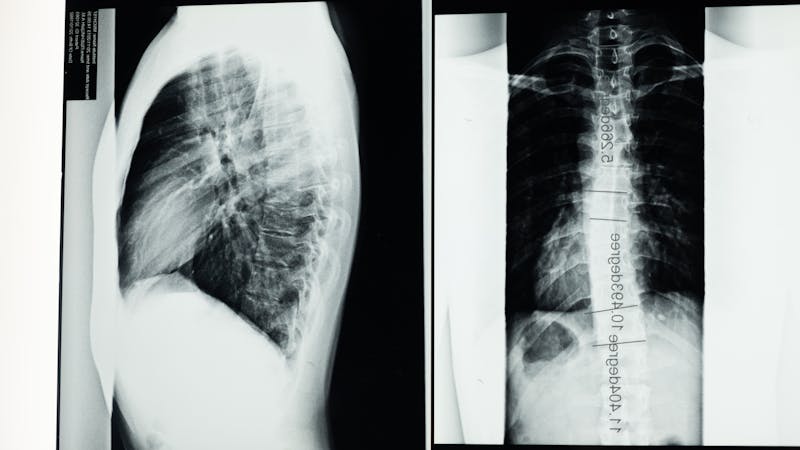
Corrective chiropractic care breaks this cycle by making measurable changes to your spinal structure. Your chiropractor uses X-rays, posture analysis, and nerve scans to identify exactly where the problem is, then builds a correction plan around those findings.
"Most patients come to us after years of band-aid solutions. Corrective care is about finding the structural pattern and building a plan around what we can actually measure."
Dr. Austin Elkin, Doctor of Chiropractic
What Corrective Care Treats
Corrective chiropractic care helps with a wide range of conditions tied to spinal misalignment and nerve interference. Common issues our patients bring to us include:
- Chronic back pain that hasn't responded to other treatments
- Neck pain and stiffness that limits your daily activities
- Recurring headaches and migraines triggered by cervical misalignment
- Sciatica caused by nerve compression in the lower spine
- Poor posture from years of desk work, phone use, or injury
- Numbness and tingling in the arms or legs
- Reduced mobility and range of motion
A 2017 review published in JAMA found that spinal manipulation was associated with modest improvements in pain and function for acute low back pain. Research does not promise the same outcome for every person, which is why the exam and fit conversation come first.
Because the spine protects the central nervous system, some practice members also notice changes in sleep, movement tolerance, and energy as pain and mechanical stress improve. These are individual responses, not guarantees. Learn more about family wellness care for every member of your household.
The Difference Between Relief Care and Corrective Care
Relief care is what most people think of when they hear "chiropractor." You're in pain, you get adjusted, you feel better, and you go home. There's nothing wrong with that, but it's only addressing the surface.
Corrective care goes deeper. Here's how they compare:
- Relief care focuses on reducing pain as fast as possible. Visits stop once symptoms improve.
- Corrective care follows a structured plan based on diagnostic findings. Visits continue on a set schedule until X-rays and exams confirm structural improvement.
The goal of corrective care isn't just feeling better. It's testing better. That means your follow-up X-rays show measurable changes in spinal curves, your nerve scans improve, and your posture analysis confirms real progress.
Who Is a Good Fit?
Corrective care may fit when symptoms keep returning, posture is visibly changing, pain travels into an arm or leg, or previous short-term care helped only temporarily. It may not be the right first step when symptoms suggest fracture, infection, progressive neurological loss, unexplained weight loss, or another medical issue that needs urgent evaluation.
Cost and Plan Clarity
The consultation is free. Exam, imaging, and care-plan costs depend on what is clinically needed and are reviewed before care begins. The point is to give you enough information to make a decision without pressure.