

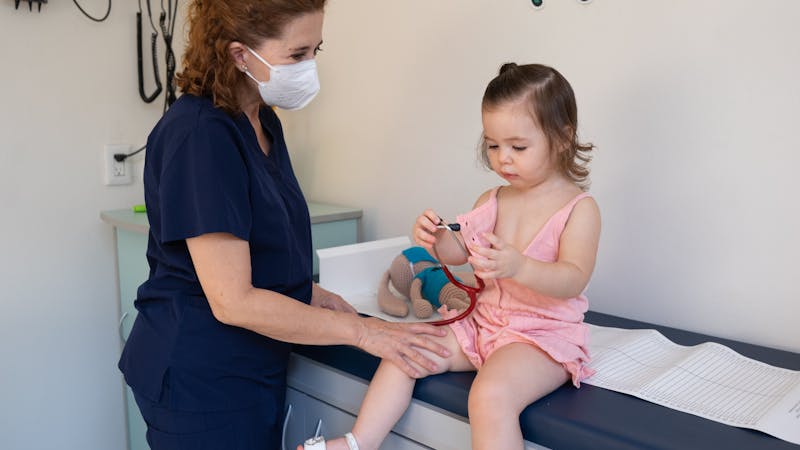
A pediatric chiropractor is a licensed chiropractor trained to evaluate and adjust the spines of infants, children, and teenagers using gentle, age-appropriate techniques. Kids are not just small adults. Their bodies are growing and changing fast, and even minor spinal misalignments can affect how they develop. If your child is dealing with any of the five signs below, a visit focused on family-based wellness care may help you understand the next step.
Sign 1: Frequent Ear Infections
Ear infections are one of the most common reasons parents bring young children to the doctor. According to the National Institute on Deafness and Other Communication Disorders, 5 out of 6 children will have at least one ear infection before their third birthday (NIDCD, 2024). Antibiotics treat the infection, but they do not fix the reason fluid keeps building up in the first place.
Misalignments in the upper cervical spine (the top two vertebrae in the neck) can affect how the Eustachian tubes drain. When these vertebrae shift out of position, the tubes may not drain properly, creating a warm, moist environment where bacteria thrive. Gentle adjustments to the upper neck can restore normal drainage and reduce the frequency of recurring infections.
Sign 2: Poor Posture or Uneven Shoulders
Take a look at your child from behind while they stand relaxed. Are their shoulders level? Is their head centered over their body? Kids who spend hours hunched over tablets, phones, and school desks often develop forward head posture and rounded shoulders earlier than any previous generation.
A 2022 study in the European Spine Journal found that 38% of children aged 10 to 15 showed measurable postural asymmetry (ESJ, 2022). Left uncorrected, these imbalances can lead to chronic neck pain, headaches, and spinal problems that follow them into adulthood. A pediatric chiropractor can identify these shifts early, before they become structural.
What to Watch For
- One shoulder sitting higher than the other
- Head tilting to one side consistently
- Complaints of neck or upper back stiffness
- Slouching that does not improve with reminders to "sit up straight"
Sign 3: Sleep Difficulties
When a child has trouble falling asleep, staying asleep, or waking up rested, parents often blame screen time or sugar. Those are real factors. But spinal tension can also play a role. The nervous system controls sleep-wake cycles, and spinal misalignments can keep the body stuck in a stressed, "fight-or-flight" state that makes relaxation difficult.
"We see a lot of kids who are wired at bedtime," says Dr. Cierra Hager, who specializes in pediatric chiropractic care. "Once we address the spinal tension, parents often tell us their child falls asleep faster and sleeps through the night for the first time in months."
If your child grinds their teeth at night, tosses and turns constantly, or wakes up tired, a spinal check-up is worth considering. You can learn more about the sleep connection in our article on better sleep and spinal health.
Sign 4: Limited Range of Motion or Favoring One Side
Babies who always turn their head to one side may have a condition called torticollis, where tight or misaligned muscles and vertebrae restrict neck movement. Older children might favor one leg while running, struggle with coordination, or avoid certain physical activities because something feels "off."
These patterns often trace back to the spine. A misaligned vertebra can restrict movement on one side of the body, changing how a child walks, runs, and plays. Pediatric chiropractors are trained to spot these asymmetries and correct them with adjustments that are lighter than the pressure you use to check the ripeness of a peach.
Common Movement Red Flags in Children
- Infant always turns head to one side during sleep
- Toddler walks with one foot turned in or out
- Child avoids physical play or says it "hurts to run"
- Teenager experiences stiffness or pain after sports practice
Sign 5: Birth Trauma Effects
The birth process puts significant force on a baby's spine and skull, even during uncomplicated deliveries. Vacuum extraction, forceps, and prolonged labor can amplify that stress. According to research by Dr. Gutmann, published in Manuelle Medizin, spinal misalignments were identified in over 80% of newborns examined shortly after birth (Gutmann, 1987).
Signs of birth-related spinal stress in newborns include:
- Difficulty latching during breastfeeding
- Excessive crying or colic that does not respond to typical soothing
- Preference for turning or nursing on only one side
- Arching of the back during feeding or when held
Many parents bring their newborn in for a check-up within the first few weeks of life. Early detection and correction can prevent small problems from growing into bigger ones. Learn more about how chiropractic care during pregnancy can also support a smoother delivery and healthier baby.
Why Choose a Pediatric-Focused Chiropractor?
Not every chiropractor works with children, and the approach matters. Pediatric adjustments use significantly less force than adult adjustments. At City of Palms Chiropractic, the team uses fingertip pressure and specialized instruments designed for small bodies. The goal is the same as adult care: restore proper alignment so the nervous system can function without interference.
A 2019 systematic review published in BMC Pediatrics analyzed over 50,000 pediatric chiropractic visits and found the risk of serious adverse events to be extremely low (BMC Pediatrics, 2019). Mild reactions like fussiness or tiredness were reported in a small percentage of visits and typically resolved within 24 hours.
Frequently Asked Questions
At what age can a child see a chiropractor?
Children can receive chiropractic care from birth. Newborn adjustments use only a few ounces of pressure, about the same force you would use to test the ripeness of a tomato. Many parents bring infants in within the first weeks of life, especially after difficult deliveries.
Is chiropractic safe for children?
Yes. A 2019 systematic review in BMC Pediatrics analyzed over 50,000 pediatric chiropractic visits and found the risk of serious adverse events to be extremely low. Pediatric adjustments are modified to match a child's size and developmental stage.
How often should a child see a chiropractor?
Visit frequency depends on the child's specific needs. Some children benefit from weekly visits during an initial correction phase, then transition to monthly check-ups. Your chiropractor will recommend a schedule based on exam findings and your child's progress.
Can chiropractic help with bedwetting?
Some research suggests a connection between spinal misalignments in the lower back and childhood bedwetting. Adjustments that restore nerve function to the bladder area have helped some children. While results vary, it is worth discussing with your pediatric chiropractor.
Will my child need X-rays before chiropractic treatment?
Not always. Pediatric chiropractors often rely on hands-on assessment, postural evaluation, and movement testing for young children. X-rays are recommended only when the clinical findings suggest a structural concern that imaging would help clarify.
Give Your Child a Strong Start
Kids are resilient, but they are not invincible. Small spinal shifts during childhood can become bigger movement and posture problems if they go unaddressed. If you have noticed any of these five signs in your child, a family chiropractic evaluation at City of Palms Chiropractic can give you answers and a clear path forward. Call (239) 690-7794 or book a free consultation online to get your child checked.